


Deciding if your horse needs a rug
When deciding if your horse needs a rug, avoid basing the decision on how warm or cold you feel. Horses are naturally better equipped for cold weather, especially when they've grown a thick winter coat. Many horses stay comfortable without a rug until temperatures drop below 5°c, so assess each horse as an individual and only rug when needed1.
Horses are more likely to feel cold when exposed to a combination of prolonged rain and wind than during dry, cold weather. Providing effective shelter from those conditions is one of the best ways to help your horse stay comfortable outdoors.
Many horses, especially native breeds and cob types, can adapt well to winter weather and cope without a rug when they're healthy, have adequate forage and access to shelter.
Try not to overgroom un-rugged horses, as this may strip the coat of the natural oils and reduce its waterproofing abilities. If your horse is wearing any tack, make sure mud is removed from the areas where the equipment is fitted to prevent rubbing and discomfort.
A horse may benefit from a rug if they are:
chevron-down
chevron-up
- A breed that has a naturally finer coat (such as Thoroughbreds or Arabs)
- Underweight and need support to reduce energy loss during cold weather
- Fully or partially clipped and have reduced natural insulation (some horses will cope fine without a rug if they have a bib or trace clip)
- Older, unwell or have difficulty regulating their body temperature
- Require protection from biting insects, like a fly or sweet itch rug
- Cooling down after exercise and need a cooler rug to help prevent getting chilled in cold weather
- Travelling during colder weather
When deciding whether to rug your horse, you should also consider
chevron-down
chevron-up
- Weather conditions, including wind chill, rain and prolonged wet weather
- If they're at a healthy fat score (also known as body condition scoring) and their ability to maintain weight
- Access to natural or artificial shelter
- Workload and fitness level
- Time spent housed compared with turn out
- Individual tolerance to weather conditions
- Insect activity, including midges, which can be active during spring, summer and mild autumn weather
Is your horse comfortable?
chevron-down
chevron-up
When deciding what rug to use, consider temperature changes throughout the day. Conditions may feel cold early in the morning but become significantly warmer by midday. If you're unable to adjust rugs during the day, choose the lightest suitable option and avoid over-rugging. Where possible, monitor your horse's comfort through regular checks and observations.
Signs your horse may be too cold include:
- Shivering
- Tail tucked tightly against the body
- Actively seeking shelter
- Increased movement or pacing
- Gradual weight loss
Signs your horse may be too hot include:
- Sweating beneath the rug
- Increased or heavy breathing
- Lethargy or irritability
- Frequent rubbing
- Warm, damp skin under the rug
A simple way to assess comfort is to place your hand under the rug behind the withers. Your horse should feel comfortably warm and dry rather than hold, cold or sweaty.
How horses naturally keep warm
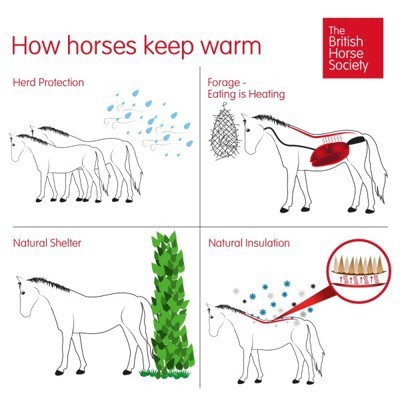
When the temperature drops below 5°C, your horse must produce more heat, which can be done in several ways.
Herd and self-protection
chevron-down
chevron-up
Horses will naturally turn their backs on wind and rain to protect themselves in poor weather. If in a herd, horses often stand together and may gain some protection from weather conditions through their companions.
Natural shelter
chevron-down
chevron-up
Thick hedges and tree lines make great forms of natural shelter from the wind and rain. If there isn't any natural shelter, it's important to provide a field shelter as an option for your horse. Planning permission can vary between local authorities, so check if any regulations are in place.
Natural insulation
chevron-down
chevron-up
Horses lose very little body heat through the air as their coat hairs stand on end, trapping heat and creating a layer of insulating body heat. You might have noticed horses with un-melted frost or snow on their backs. The reason it doesn't melt is because the horse's winter coat works by insulating them and not letting the heat escape.
Forage
chevron-down
chevron-up
Eating forage consistently throughout the day helps to keep your horse warm by generating heat during the digestion of fibre. Before increasing rug weight, consider whether your horse has adequate access to forage, as this is one of the most effective natural ways of maintaining body temperature during colder weather.
Increasing metabolic rate
chevron-down
chevron-up
Horses will use more energy to keep themselves warm. This is a natural process throughout winter and allows any excess weight gained through the summer months to drop off naturally.
Choosing the right rug for your horse
Rug type
If you feel your horse would benefit from wearing a rug, choosing the right type is important. Different rugs have specific purposes throughout the year. Select the rug that best suits your horse's individual needs, weather conditions and management routine.
Turnout rug
chevron-down
chevron-up
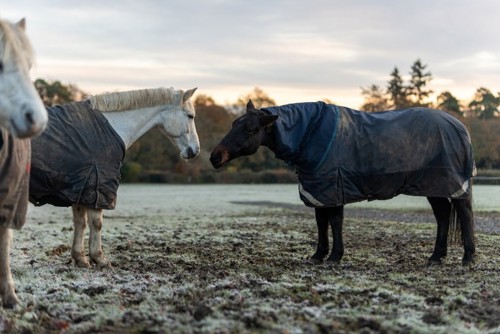
A waterproof rug designed for horses spending time outdoors, whether in fields, paddocks or alternative turnout systems.
Stable rug
chevron-down
chevron-up
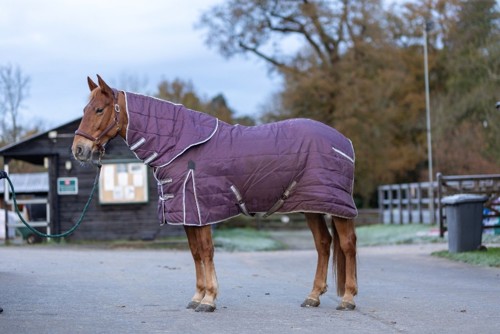
A rug or sheet used indoors, often made from cotton or fleece.
Exercise sheet
chevron-down
chevron-up
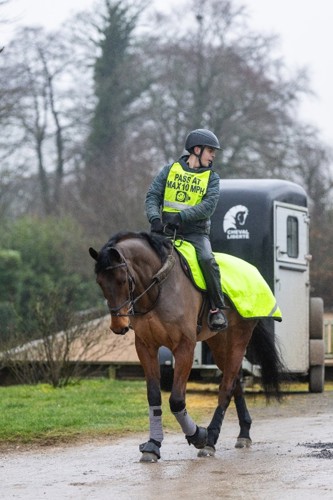
A sheet used during ridden or non-ridden exercise, including hacking, lungeing and long-reining. It helps keep the hindquarters warm and dry during cold or wet weather.
Some exercise sheets incorporate high-visibility materials to help you be seen from a greater distance.
Cooler rug
chevron-down
chevron-up
A thin, breathable rug used after exercise to help a sweaty horse dry without getting chilled in cold weather.
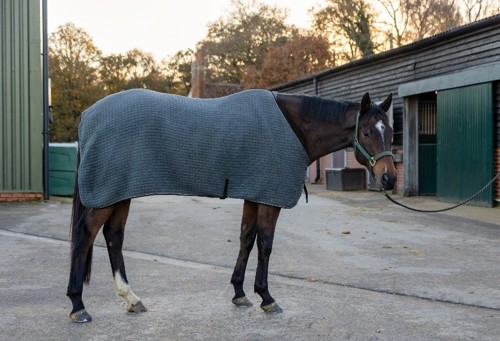
Travel rug
chevron-down
chevron-up
A light sheet for travelling, especially for clipped horses or those sensitive to the cold. Check your horse doesn't become too warm while travelling.
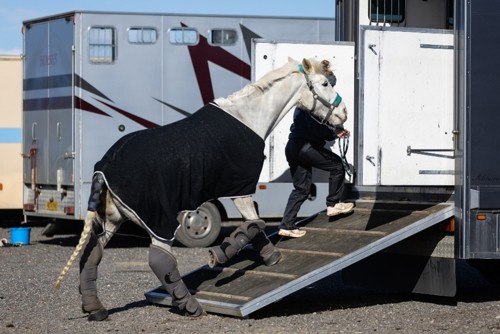
Fly rug
chevron-down
chevron-up
A rug used in spring, summer and sometimes autumn to help protect against biting insects. Horses with sweet itch may need a specialist rug.
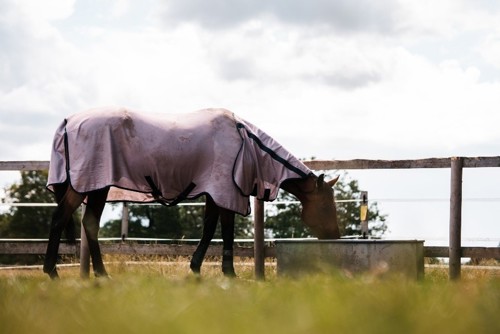
Neck covers
chevron-down
chevron-up
A built-in or removable neck section for extra coverage. Take care with horses that have thick manes, as neck covers can cause overheating or irritation.
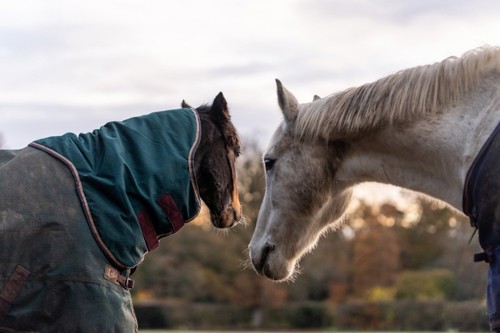
Therapy rugs
chevron-down
chevron-up
Some therapy rugs are marketed as supporting comfort, circulation or recovery, although evidence for different products varies. They should always be used according to manufacturer guidance and aren't a substitute for veterinary advice.
Denier
chevron-down
chevron-up
Just like a pair of tights, the denier relates to how strong the outer fabric of a rug is. So, the higher the denier, the stronger the material will be. A higher denier rug also provides more water resistance to keep your horse dry in wetter weather.
Fill
chevron-down
chevron-up
The fill is used to describe the rug weight and can be categorised as:
- Light weight: 0g-100g
- Medium weight: 150g-300g
- Heavy weight: 350g+
It can be tempting to increase rug weight as temperatures begin to fall, but heavier rugs aren't always necessary. Monitor your horse closely and only add additional rug weight when they're showing signs of being cold.
How to measure your horse for a rug
chevron-down
chevron-up
Use a soft measuring tape and measure from the centre of the chest, around the widest part of the shoulder and along the side of the body to the point of the buttock.
Compare this measurement with the manufacturer's size guide, as sizing may vary between brands. Check the fit carefully when trying a new rug, particularly around the shoulder, withers and chest.
Risks of unsuitable rugging
While under-rugging may be a concern for some horses, over-rugging can also cause your horse discomfort.
Overrides natural insulation
chevron-down
chevron-up
If an unsuitable rug is used, it can override your horse's natural process of insulation. As the hair is flattened, it's less efficient at trapping heat to insulate your horse's body1.
Vitamin deficiency
chevron-down
chevron-up
Inappropriate rugging prevents sunlight reaching your horse's skin, limiting the production of vitamin D2. A deficiency can lead to reduced bone strength. However, an hour a day exposure without a rug in bright, dry conditions should be sufficient in minimising the risk2.
Increased stress
chevron-down
chevron-up
A rug that's too warm can trap heat and make it harder for your horse to cool down. This can cause sweating, discomfort and stress, especially as horses find it easier to warm up than cool down1.
Preventing natural weight loss
chevron-down
chevron-up
Winter can help overweight horses lose weight naturally, as they use more energy keeping warm1. Overfeeding and over-rugging may increase the risk of excess weight gain and laminitis. Avoid rugging overweight horses unnecessarily, even if they have a bib or trace clip, unless their individual needs mean they require one.
Under rug moisture
chevron-down
chevron-up
A 0g rain sheet can be a great choice in light rain. However, in prolonged or heavy rain, water may eventually seep through. When this happens, cold air meets heat from your horse's body, creating condensation under the rug. As your horse becomes damp, they may lose body heat more quickly.
Moisture can build up if your horse is over-rugged, even before any dampness can be felt under the rug. This hidden sweating can reduce the insulating properties of your horse's coat and the rug, making it harder for them to regulate their body temperature as weather conditions change3.
How to rug a horse
If your horse wears a rug, make sure it fits correctly and remove it daily to check for rubbing, soreness or discomfort. Refit or change the rug if needed, as an ill-fitting rug or one left on too long can cause injury. Always follow the manufacturer's fitting guidance and check that the rug is correctly positioned, secure and comfortable.
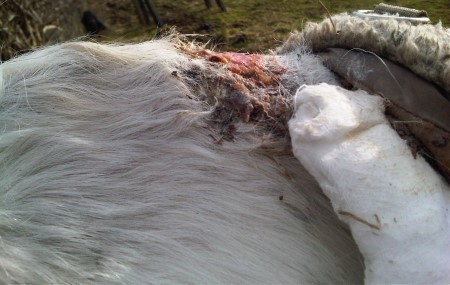
Image showing a wound from an ill-fitting rug.
 play-circle
How to correctly fit your horse's rug
Putting on a rug safely
There's no single correct order for fastening the straps on your horse's rug. Choose a routine that prioritises safety for you and your horse. Adapt it to suit the situation, such as weather conditions and the experience of your horse.
- Place the rug over your horses withers and neck, making sure it's positioned correctly before fastening the chest strap
- Unfold the rug over your horse's body and check that it's sitting straight and evenly on both sides
- Fasten the remaining straps, making sure they're secure but not overly tight. The order in which straps are fastened is less important than making sure the rug fits correctly and safely
Removing a rug safely
- Undo all the rug straps
- Fold the rug neatly from front to back while it's still on your horse
- Gently slide the folded rug backwards and off over the quarters, following the direction of the coat
References
chevron-down
chevron-up
- Mejdell, C.M. et al (2020) Caring for the horse in a cold climate—Reviewing principles for thermoregulation and horse preferences. Applied Animal Behaviour Science. Vol 231.
- Azarpeykan, S., et al. (2016): "Influence of blanketing and season on vitamin D and parathyroid hormone, calcium, phosphorus, and magnesium concentrations in horses in New Zealand." Domestic animal endocrinology 56 75-84.
- Marlin, D., et al. (2022) The Short-Term Effect of Over-Rugging Horses. AskAnimalweb.


